May 30, 2026
Power washing is essential for maintaining both residential and commercial properties, helping to preserve their visual appeal and structural integrity. However, determining the optimal frequency for this cleaning can be challenging due to variables like local climate, property location, and surface materials. This article guides property owners on how often to schedule power washing services to protect their investments effectively and keep their surfaces in top condition.
Basics of the Cleaning Process
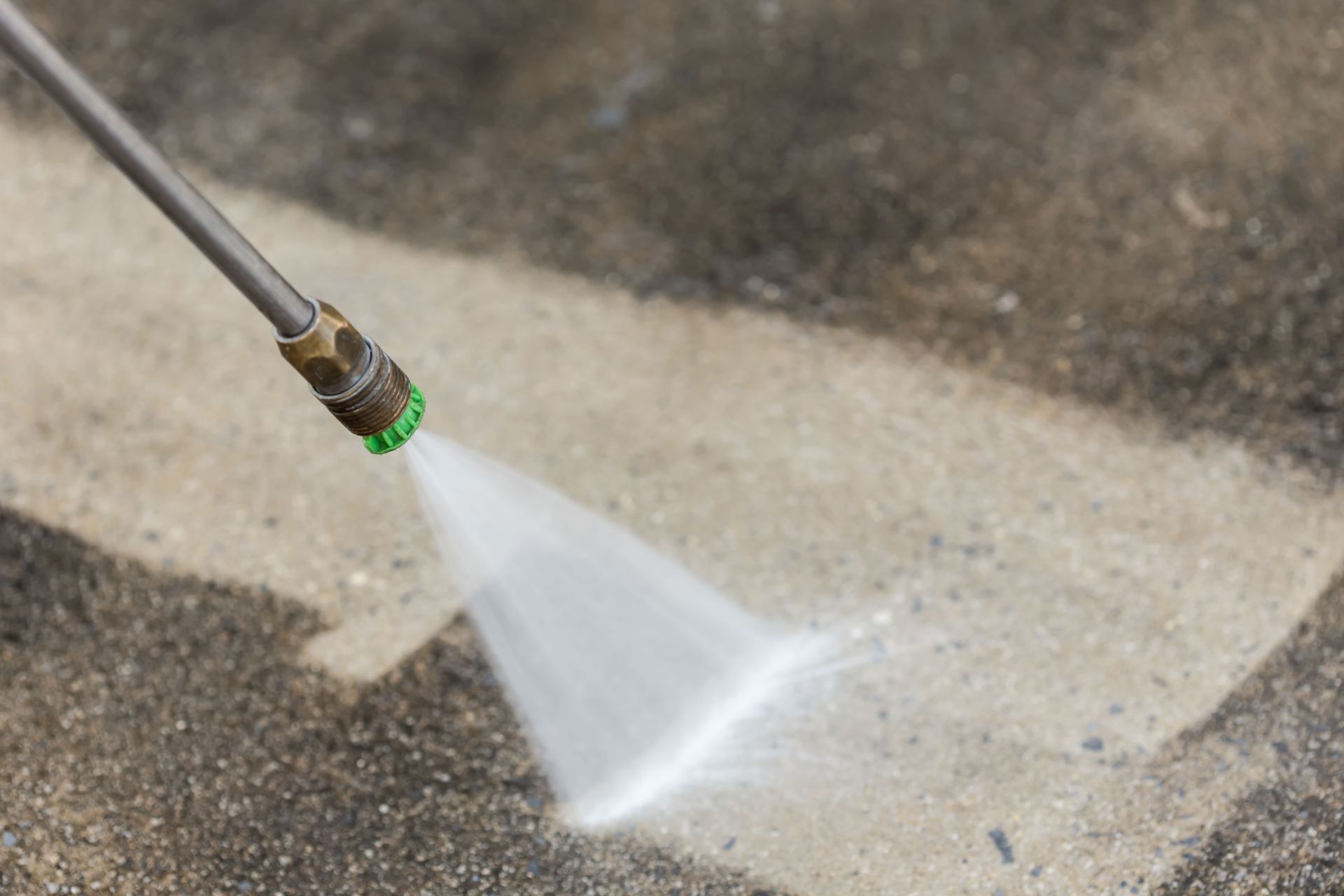
This cleaning method utilizes a high-pressure water spray to efficiently remove dirt, grime, mold, and other unwanted debris from diverse substrates, including concrete, wood, metal, and plastic. Outdoor surfaces constantly exposed to rain, snow, and sun benefit greatly from this quick and efficient restoration technique. By matching the pressure settings and nozzles to the specific surface, the process can be customized to suit different cleaning needs without damaging the underlying material. For instance, while concrete can withstand high pressures, wooden decks require a much gentler approach to avoid gouging.
Routine maintenance brings numerous advantages, primarily the removal of pollutants like mold and mildew that cause premature surface aging. By scheduling regular cleanings, property owners extend the lifespan of their exterior surfaces significantly and reduce the need for costly future repairs. Apart from aesthetic improvements that elevate curb appeal, regular washing contributes to a healthier environment by removing harmful allergens and deterring pests. Furthermore, it prepares surfaces for renovation or repainting by stripping away old stains and debris, ensuring that new coatings bond properly and last longer.
According to Geyser Equipment, most driveways need a 13-horsepower washer, which is average. This capacity allows property owners to achieve thorough cleaning of expansive areas within a short timeframe. While power washing and pressure washing are often used interchangeably, the primary difference lies in water temperature. Power washing incorporates heated water, making it ideal for cutting through tough grease in industrial and commercial settings. Pressure washing relies solely on cold water, which is perfectly sufficient for standard residential needs like sidewalks and decks.
Environmental and Material Factors
Climate is a major determinant of how often a property needs attention. In humid regions, mold and mildew grow rapidly, necessitating more frequent interventions to maintain hygiene. Conversely, dry or arid conditions might require less frequent washings, though dust buildup still warrants regular care. Areas subject to freezing temperatures face freeze-thaw cycles that can permit dirt ingress into expanding material pores, making seasonal cleanings vital. Additionally, removing road salt in the spring prevents corrosive damage to concrete and vehicles.
Geographical settings also dictate unique maintenance needs due to localized environmental challenges. Coastal properties grapple with airborne salt deposits that accelerate corrosion on metal and degrade painted surfaces, requiring frequent washings to safeguard structural integrity. Urban environments experience higher levels of vehicle emissions, industrial activity, and general city grime that can obscure building appearances, making a consistent cleaning routine essential. In contrast, rural properties face less pollution but must deal with organic debris and sap from surrounding vegetation.
The material composition and age of a surface also dictate the ideal maintenance schedule. Durable materials like concrete and granite withstand harsh conditions well, allowing for more flexible schedules, while softer substrates like wood require delicate care and more frequent attention to prevent rot. Surface age is equally critical; older surfaces exhibit wear and tear that makes them prone to damage under intense pressure, requiring milder techniques. Newer installations require regular care to curb initial debris buildup and stave off premature aging from the start.
Usage and Traffic Dynamics
Contaminant exposure directly influences cleaning intervals, particularly on high-traffic surfaces. Driveways, parking lots, and sidewalks accumulate vehicle fluids, tire marks, and pedestrian grime that require proactive attention to prevent permanent staining. Properties located near industrial zones, bustling city centers, or heavily wooded areas face increased exposure to soot, atmospheric pollutants, or falling organic debris. Factoring these specific exposure levels into a property management plan ensures that all types of contaminants are neutralized before causing long-term damage.
The way a property is utilized heavily impacts surface wear and dirt accumulation. Commercial spaces, retail storefronts, and homes with active families experience heavy foot traffic, which rapidly compromises cleanliness. Regular cleaning preserves the inviting nature of these spaces, which is especially important for business establishments that view cleanliness as a vital component of their brand image. Conversely, less intensively used spaces can sustain longer intervals between cleaning sessions, provided they receive periodic inspections to monitor accumulation.
Seasonal variations in property use also create shifting cleaning needs throughout the year. Residential properties often see increased backyard and deck usage during the warmer months, prompting targeted washing efforts right before summer begins. Commercial spaces might adjust their schedules to coincide with peak business periods, ensuring surfaces stay pristine during high-volume customer interactions. Aligning services with these seasonal shifts maximizes the impact of the maintenance, offering tailored solutions that adapt to changing usage patterns.
Residential Frequency Guidelines
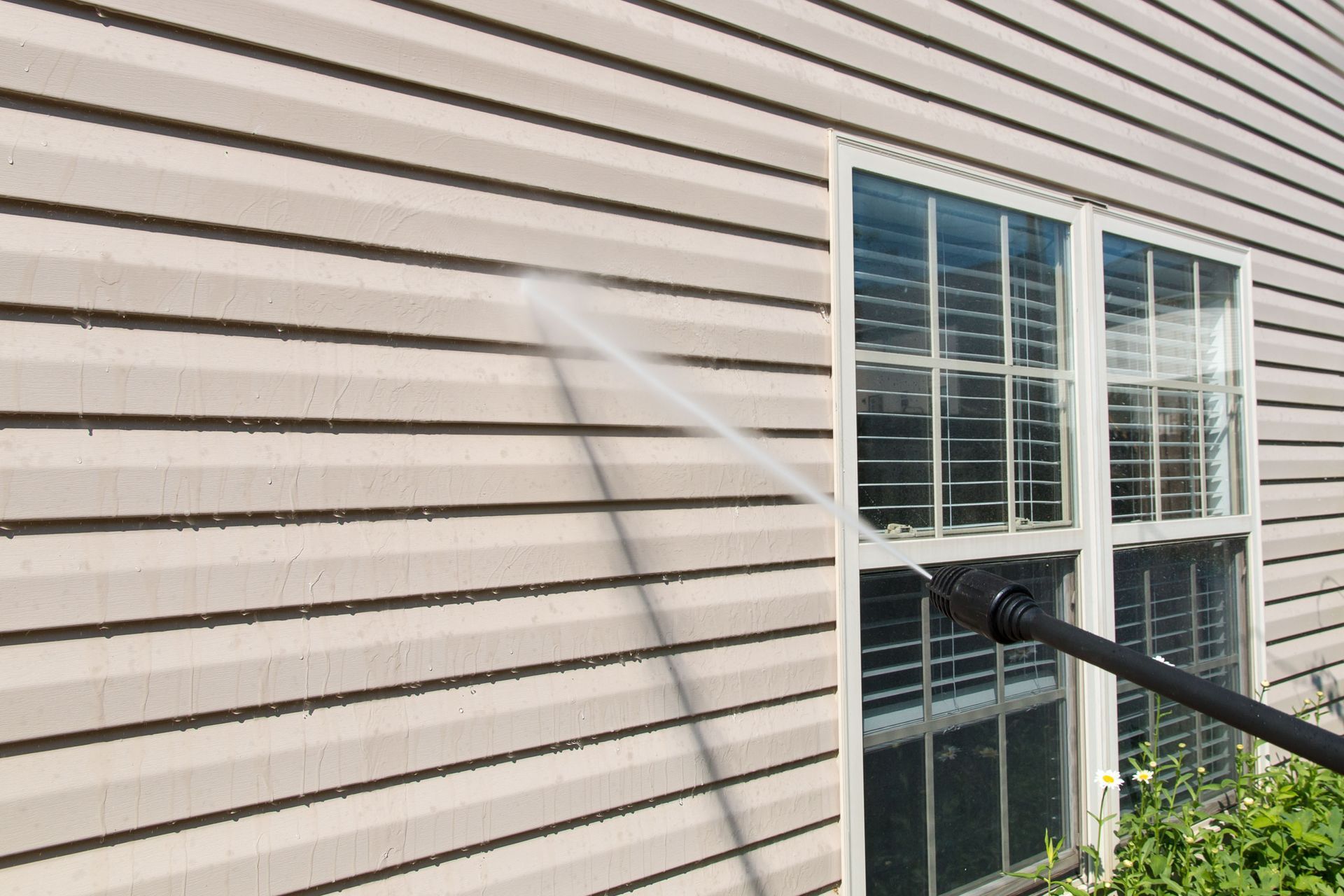
Washing home exteriors forms a fundamental part of residential upkeep, contributing to both aesthetics and structural preservation. Typically, homeowners should aim for an annual cleaning to preserve siding, clear away sticky tree sap, and prevent biological growth like algae. This routine care protects external walls from moisture ingress, lessens the risk of structural rot, and ensures the home remains inviting. Keeping the exterior clean also ensures that future home improvement projects, such as painting or sealing, can be executed successfully on a pristine surface.
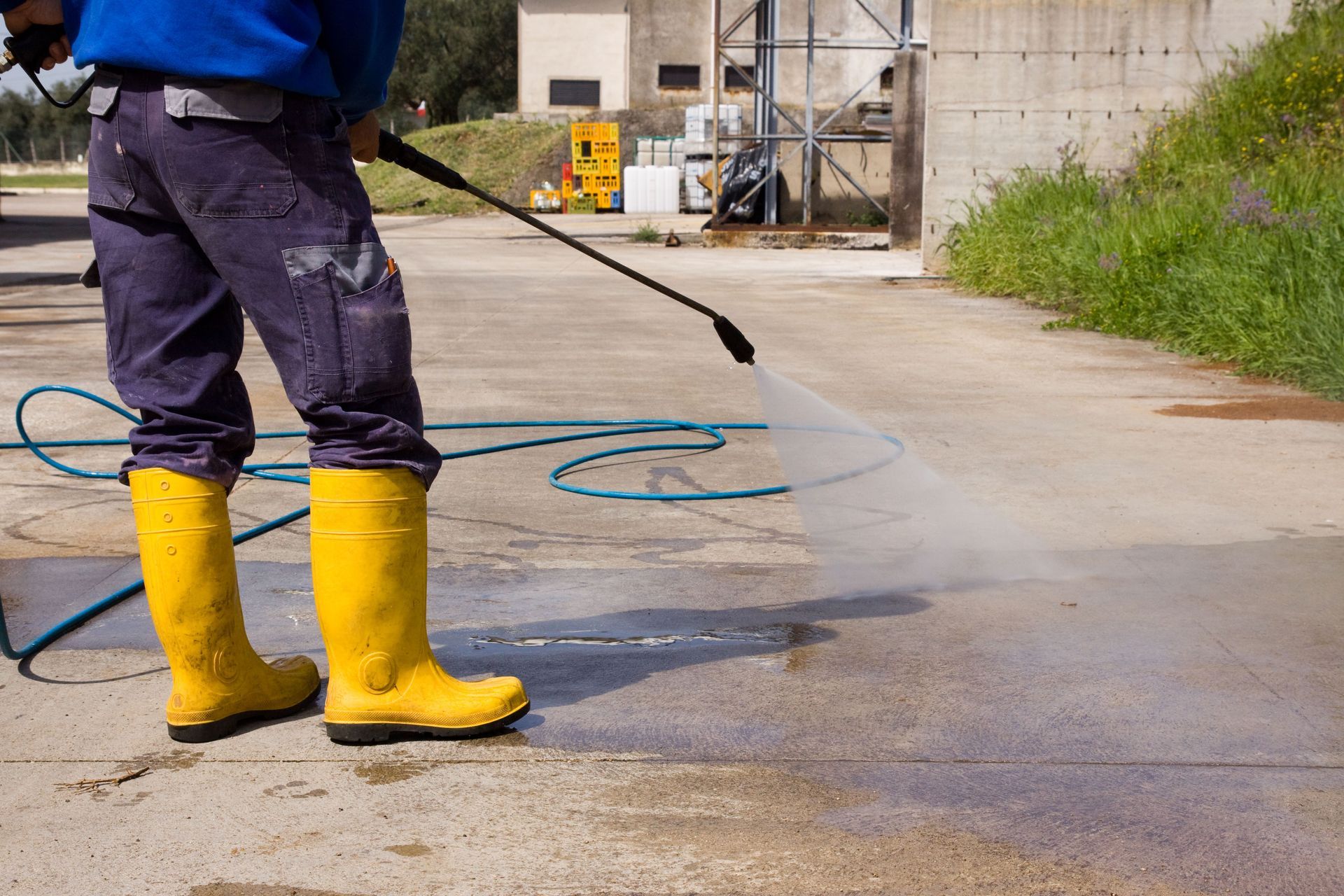
Driveways and walkways endure heavy vehicle and pedestrian traffic, accumulating tough stains that detract from a home's appearance. Cleaning these surfaces two to four times annually prevents permanent discoloration and removes slick buildup, minimizing slip-and-fall hazards for residents and guests. This high-pressure cleaning also removes dirt and debris embedded within expansion joints, effectively curtailing the growth of intrusive weeds and grass that can crack the concrete over time. Consistent upkeep of these high-visibility areas markedly improves overall curb appeal.
Service Selection Guidelines
While DIY power washing is an option for some minor tasks, hiring a professional ensures the job is done safely and effectively without risking costly damage to your property. When selecting a service provider, look for a company that is fully licensed and insured to protect against any accidental liabilities. It is also wise to check their reviews and ask about their specific experience with your property's materials, ensuring they understand the difference between high-pressure washing and soft-washing techniques. A reputable professional will gladly provide a transparent estimate and explain their process, giving you peace of mind that your investment is in expert hands.
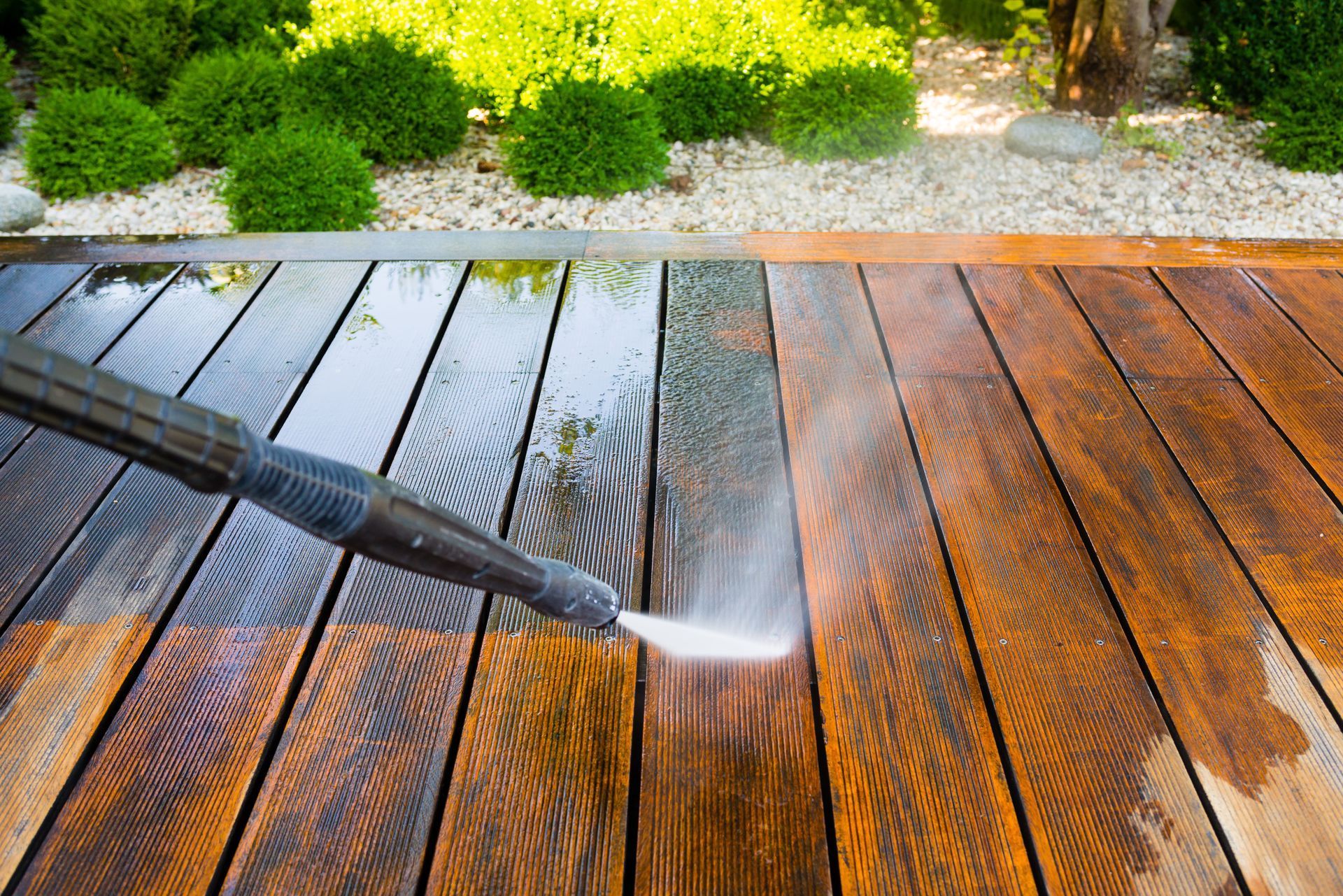
Decks, patios, and fences are highly susceptible to weathering and require consistent attention to maintain their structural integrity. Wooden structures should be washed at least once a year to clear away mold, mildew, and moss that hold moisture against the wood and cause decay. Neglecting these surfaces allows deeply embedded grime to slowly erode the protective sealants, leaving your outdoor investments vulnerable to permanent splintering and severe warping over time. Vinyl and composite decks also benefit from annual cleaning to prevent staining and discoloration from sun exposure and organic debris. Establishing a dependable routine for these outdoor living features ensures they remain safe, beautiful, and ready for enjoyment, which is why homeowners rely on power washing services from Hanover Handy Services.